Islam has rules about what to eat and what not to eat, how to slaughter animals, which hand to use for which actions, what to say when entering a house, how to greet a stranger, how to conduct business, how to dress, and what prayers to say when going to sleep. To a secular observer this looks like micromanagement: a God so insecure about His authority that He regulates the bathroom. The question is whether this frame is the right one.

What the rules are actually doing
The Islamic framework does not divide life into a sacred zone (prayer, mosque, pilgrimage) and a secular zone (eating, sleeping, working, resting) where religion is irrelevant. The concept of ʿibādah (worship) extends across every domain of life. Every act can be oriented toward God or away from Him, and that orientation matters.
When a Muslim says bismillāh (in the name of God) before eating, the act of eating is connected to awareness of the One who provided the food. When the same phrase precedes the slaughter of an animal, the taking of life for food is placed in a frame of gratitude and accountability. These small recitations function as structures that prevent the shrinkage of God-consciousness to the specifically religious hour and restore it to the whole of life.
The five categories of action
The classical Islamic legal tradition organises every act into one of five categories: farḍ (obligatory), mustaḥabb (recommended), mubāḥ (permitted), makrūh (discouraged), and ḥarām (forbidden). The vast majority of human action falls in the middle three categories. The actually-obligatory rules are few: the five pillars, the basic ethical prohibitions, the duties of justice and honesty.
What looks from the outside like an ocean of regulations is, on closer inspection, a five-tier structure where the obligatory layer is small, the recommended layer is large but voluntary, and the permitted layer covers most of ordinary life. A person who does not say bismillāh before eating has not sinned. A person who performs their prayers has fulfilled their central obligation regardless of whether they observe every recommended detail.
The comparison with secular life
Secular modern life is also full of rules about trivial things: traffic regulations, hygiene protocols, social etiquette, professional dress codes, dietary recommendations. These rules are accepted as the reasonable structure of communal life. The question is whether rules serve a coherent purpose, and whether the people following them experience the rules as serving their flourishing or constraining it.
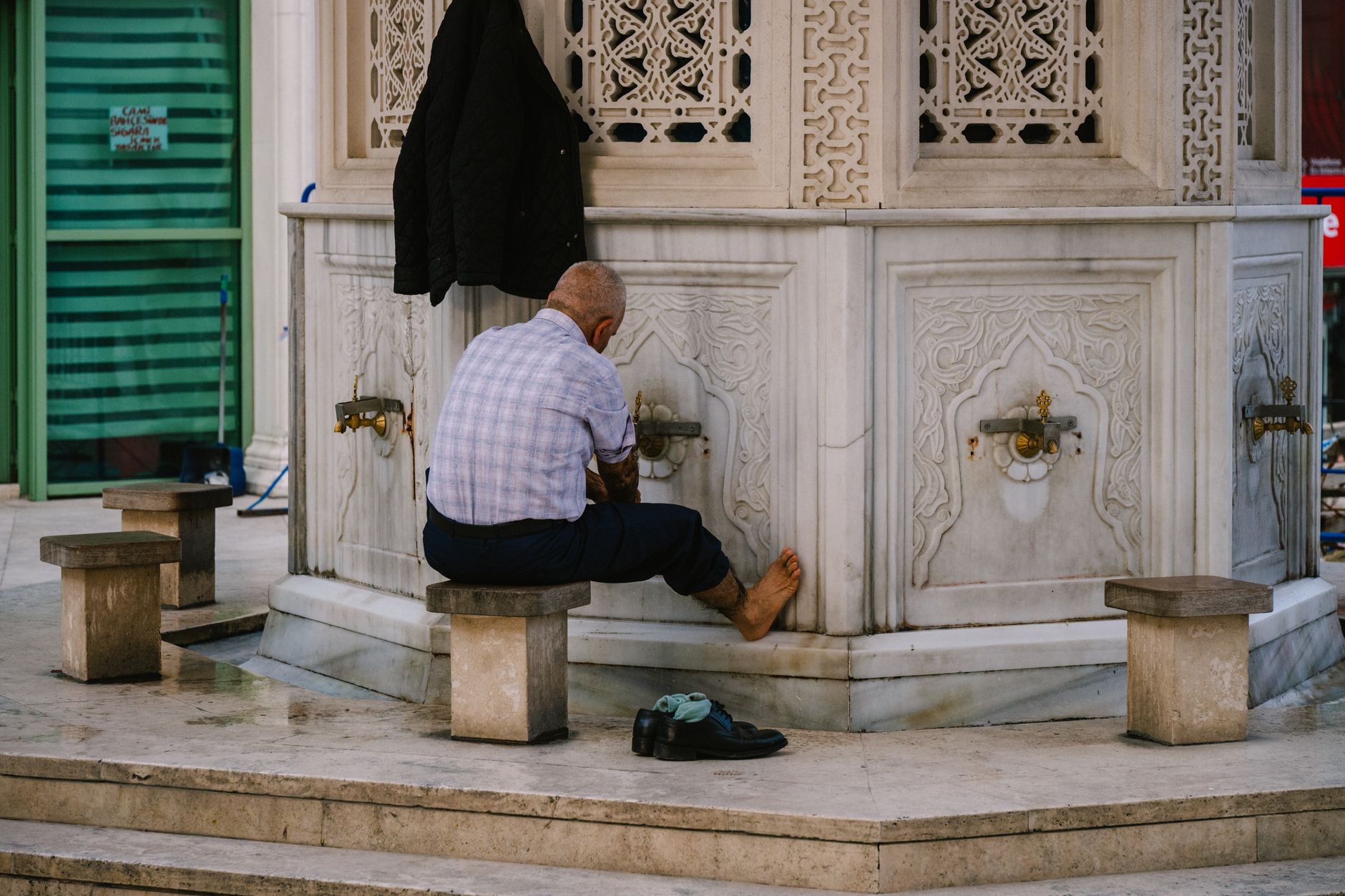
The Islamic rules about food, hygiene, and social conduct serve purposes that are partly practical and partly spiritual. The prohibition on pork has been contextualised historically and hygienically. The rules about ritual purity connect bodily cleanliness to spiritual readiness. The etiquette of greeting (al-salāmu ʿalaykum, peace be upon you) establishes a default orientation of goodwill toward strangers. The instruction to remove shoes before entering a clean space is observed by Muslims worldwide and was independently adopted in Japanese culture for parallel reasons of cleanliness.
Maqāṣid al-sharīʿah: the higher objectives
Classical Islamic jurisprudence developed a sophisticated theory of why the rules exist, called maqāṣid al-sharīʿah (the higher objectives of the law). The eleventh-century jurist al-Ghazālī organised these objectives into five domains the law is structured to protect: al-dīn (religion), al-nafs (life), al-ʿaql (the intellect), al-nasl (lineage and family), and al-māl (property). Every ruling, including the small ones about etiquette and consumption, was understood as serving one or more of these protective objectives.
The prohibition on intoxicants protects the intellect. The rules about marriage and chastity protect family lineage. The prohibition on theft protects property. The rules about slaughter and hygiene protect life and health. The framework is coherent: the law is structured around objectives that any reasonable person would recognise as goods, and the small rules are the practical implementation of those objectives.
The architecture of character
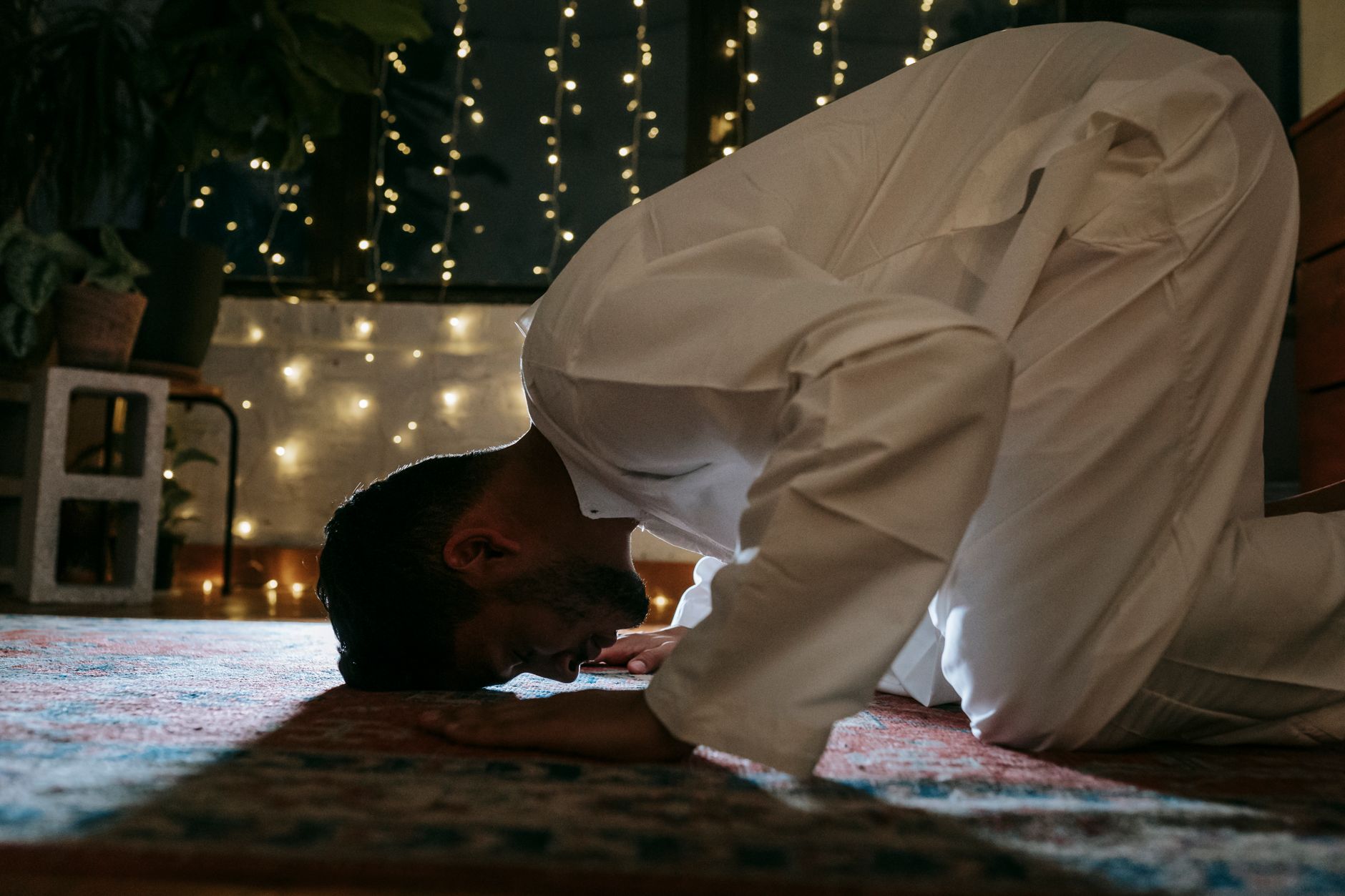
The Greek philosopher Aristotle observed that character is formed by habit, by the repeated performance of actions that over time shape who a person becomes. The Islamic framework applies this insight comprehensively. A person who begins every meal by acknowledging God, who pauses five times a day to pray, who fasts for a month, who gives a portion of their wealth annually, who governs their business dealings by principles of honesty and the prohibition of usury: that person’s character is being formed systematically by their practice.
The first hadith in al-Bukhārī’s collection establishes the principle that governs the entire system: what transforms an ordinary act into an act of worship is niyyah (intention). Eating is automatically a biological function. Eating with the conscious intention of sustaining the body God gave you, in order to fulfil the obligations He placed on you, oriented toward His awareness, is worship. The rules provide the scaffold; the intention provides the substance.
The principle of ease
The objection assumes Islamic rules are designed for maximum imposition. The actual texts of Islamic law repeatedly emphasise the opposite principle.
The Quran provides exemptions for the sick, the traveller, the elderly, and the genuinely incapable. Ablutions are replaced with tayammum (dry purification with clean earth) when water is unavailable. Fasting is suspended for the ill or the menstruating. Prayer can be shortened, combined, or performed seated when standing is not possible. The rules are calibrated to the actual circumstances of human life. The framework that strangers describe as restrictive is, from the inside, a framework that bends to accommodate ordinary human limits and difficulties.
Rigidity versus structure
What looks from the outside like an oppressive system of micromanagement is, from the inside, a layered structure in which the core obligations are clear, the recommendations are extensive but voluntary, and the overall frame is the sanctification of ordinary life: the making of the everyday meaningful through conscious connection to the One who made everything. The result is coherence, calibrated to the limits of the human creature, designed to form character through the gentle repetition of acts that orient the worshipper toward the source of their existence.