The image is familiar to anyone who has heard the critique. A stern father demands constant verbal acknowledgment from his children, takes offence when the gratitude does not arrive, holds back affection until the right words come. Applied to the Islamic ṣalāh, the picture becomes a deity who requires five interruptions of human life every day, prescribed words in prescribed order, repeated through life. To a secular observer, the pattern resembles servitude rather than spirituality. The God being described looks insecure, even petty.
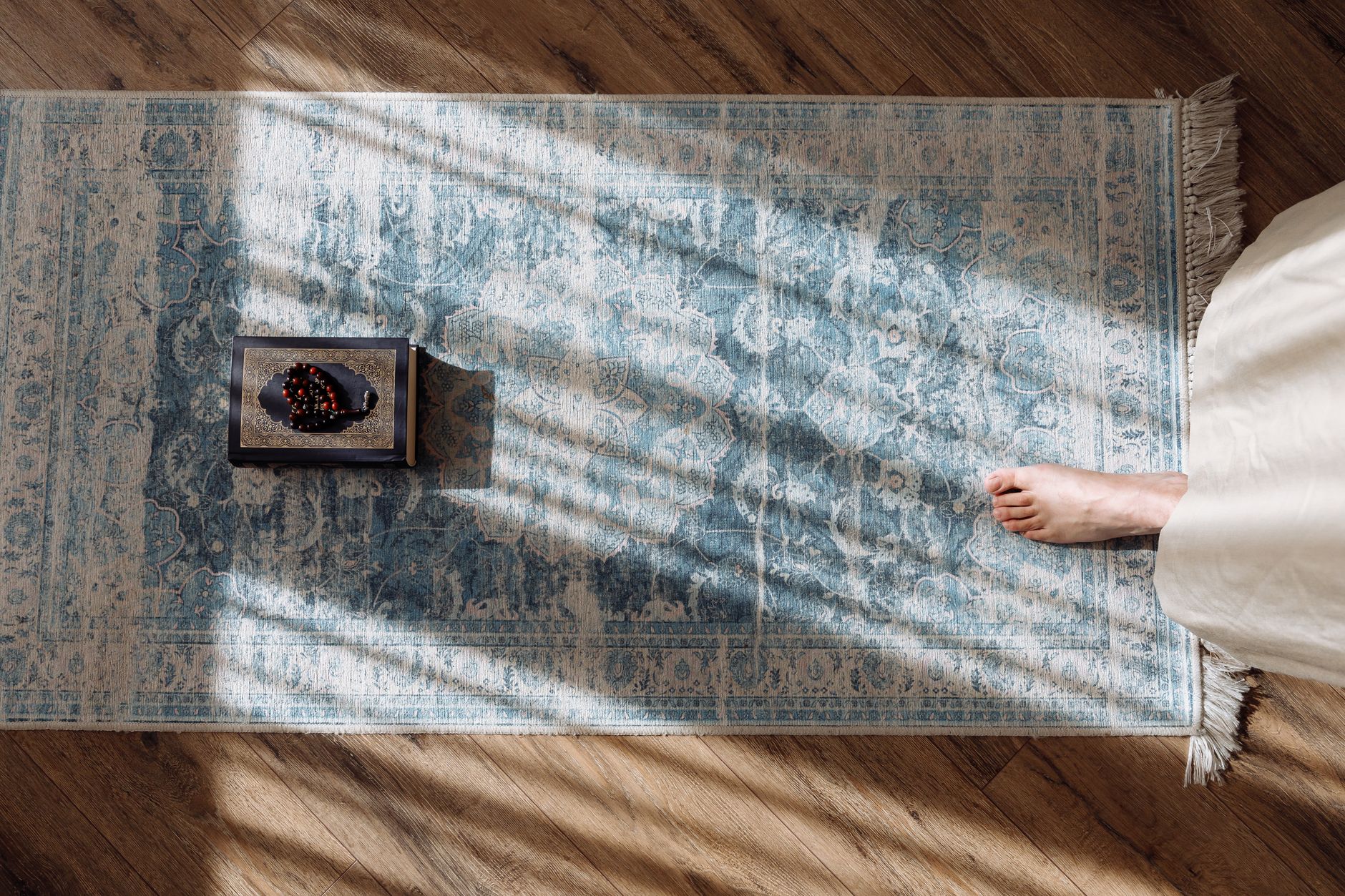
The category error at the centre
The objection rests on an analogy between the human father and the divine. Human fathers can be insecure, can demand validation, can take offence at being ignored. If God is like a human father magnified, then the demand for prayer becomes the magnification of those flaws. The trouble with the analogy is that Islamic theology specifically rejects the magnification model. The Quran is explicit on this point.
The verse makes a categorical claim about the asymmetry of the divine-human relationship. God is al-Ghaniyy (the Self-Sufficient, the One free of all need). Human beings are al-fuqarāʾ (the needy, those in dependence). The flow runs in one direction. God’s praise of Himself in the Quran is descriptive, accurately stating attributes that already obtain, and is not a request for validation that has not been received. The same point is repeated across the Quran in language that makes the asymmetry impossible to miss.
What ṣalāh actually does for the worshipper
If God has no needs, the ṣalāh must serve some other purpose. The Islamic answer is that it serves the worshipper. The five daily prayers function as orientation, discipline, dhikr (remembrance), and a regular interruption of the chase of work and entertainment. Each ṣalāh begins by facing the qiblah, raising the hands, declaring God’s greatness, and entering a state in which the worshipper is no longer attending to ordinary concerns. The body posture matches the inner posture. The recitation matches the orientation.
The substantive content of the prayer is the request for guidance, the acknowledgment of dependence, and the recitation of words that the worshipper has affirmed are true. The worshipper is reminded, several times a day, of where they came from, what they are accountable to, and what kind of life is being asked of them. This is the function. It is anthropological in design, aimed at the human being’s spiritual orientation, while remaining grounded theologically in the recognition of God’s reality.
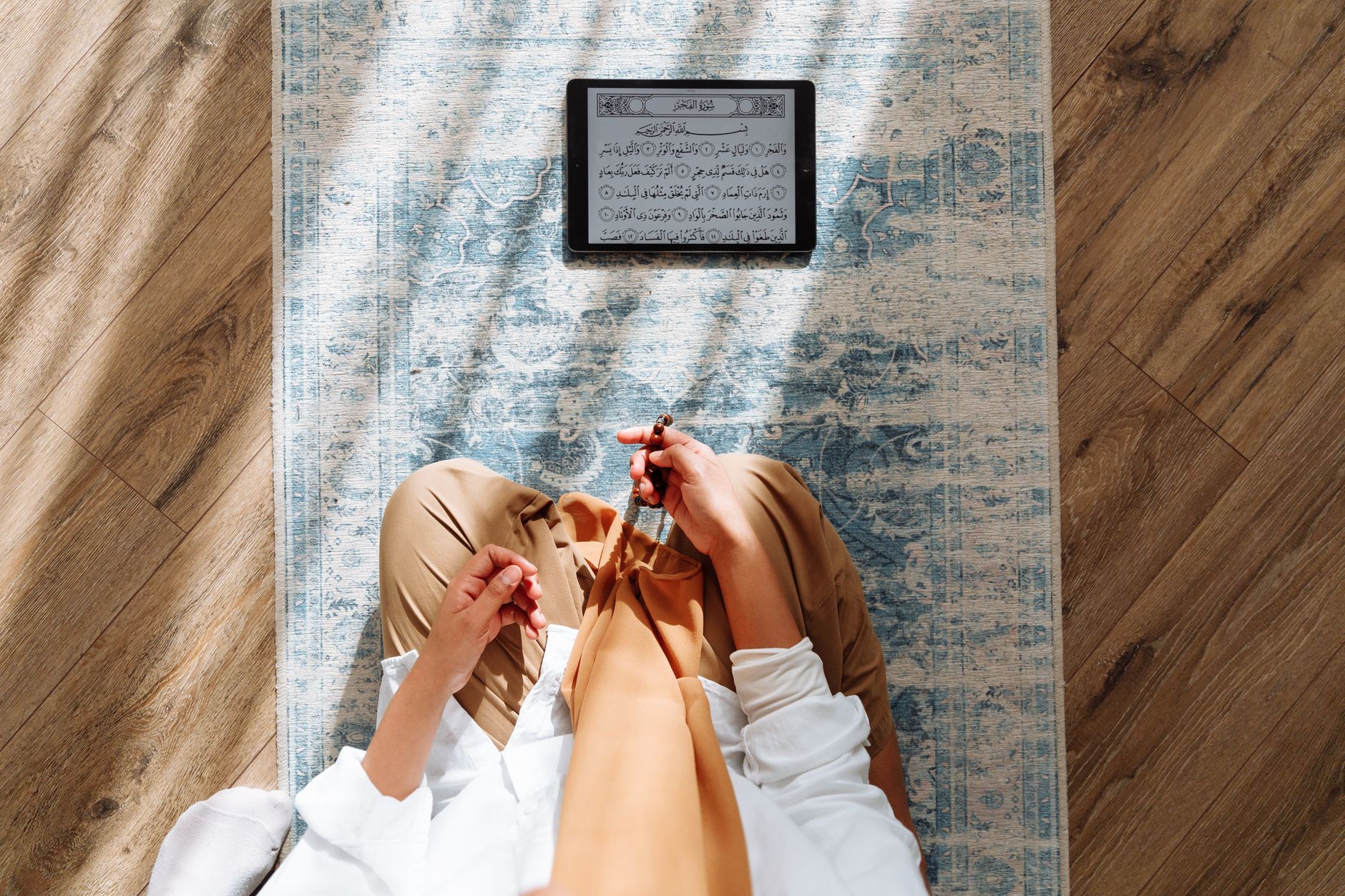
The five-time rhythm
The prescribed times fall at the seams of the day. Fajr at dawn, before the day’s noise has begun. Ẓuhr at midday, in the middle of the working hours. ʿAṣr in the late afternoon, when fatigue and irritation tend to accumulate. Maghrib at sunset, when the day’s work is winding down. ʿIshāʾ at night, before sleep. The structure interrupts every phase of the day with a brief return to first principles.
This is, in design, the opposite of what the critique describes. A deity demanding constant verbal validation would prescribe long, elaborate rituals at maximally inconvenient times for maximum extraction. The actual prescription is short, falls at natural transitions in the day, and is structured around the worshipper’s capacity. The total time required is roughly twenty to thirty minutes spread across five sessions. The pattern serves human flourishing.

What secular practice has been rediscovering
The case for structured spiritual practice has been made independently in secular wellness literature for at least the past two decades. Daily gratitude journaling, mindfulness practice, meditation, and structured rituals for transitioning between tasks have all been studied and recommended on grounds of human flourishing without any theological commitment. The findings tend in the same direction. Regular interruptions of the rush of daily life produce calmer, more centred, more reflective human beings. Structured spiritual practice with a coherent metaphysical anchor adds a layer that secular versions cannot provide: a referent outside the self toward which the gratitude and orientation are directed.
The Islamic position holds that the human being is a creature whose flourishing requires regular orientation to truth, and that the truth in question is the existence of a Creator to whom the worshipper is accountable. The five daily prayers are the structured form this orientation takes. They are a tool the deity has provided for the worshipper’s own benefit, structured to make their use sustainable across a working life.
Worship of unworthy things
One final observation. Human life involves regular orientation toward something. Money, status, work, entertainment, romantic attachment, political identity — every human being orients regularly toward something they treat as worth their attention. The question is whether the chosen orientation enlarges or diminishes the human being who maintains it. The worship of unworthy things has the well-documented effect of diminishing the worshipper. People who organise their lives around money, status, or romantic obsession tend to become smaller versions of themselves over time.
The Islamic claim is that the worship of God enlarges the worshipper because the orientation is to a referent worthy of orientation: a being who is not in competition with the worshipper, who has no need that the worshipper can supply, and whose existence renders the worshipper’s existence intelligible. Whether the claim is true is the real question. The image of an insecure deity demanding constant validation does not engage that question. It engages a different deity, one Islamic theology spends considerable time saying does not exist.