A whole genre of popular Islamic media presents the Quran as containing descriptions of modern scientific discoveries (embryology, cosmic origins, the water cycle, barriers between seas, the expansion of the heavens) centuries before modern science articulated them in detail. Critics often answer by dismissing the entire discussion at once. That is too quick. The stronger question is whether the Quran contains a disciplined pattern of signs that fit a divine text better than a merely human one.
The case that deserves to be rejected
Some Muslim presentations do deserve criticism. They force highly technical modern meanings into words that are broader in ordinary Arabic usage. They treat every suggestive overlap as a miracle. They argue as though the Quran were sent as a laboratory manual rather than a revelation that addresses the whole human being. That style of argument is unstable, and critics are right to press it.
A weak version of the argument does not cancel the stronger one. The proper question is whether the Quran repeatedly directs attention to features of the natural order in ways that are strikingly apt, free of the cosmological absurdities common in neighbouring mythic systems, and open to increasing depth of understanding as knowledge grows. That is a more serious standard.
What the Quran is doing
The Quran does not present scientific data in the form of textbook propositions. It speaks in the language of signs. A sign is public, intelligible, layered, and addressed at once to the first hearers and to later generations. Its task is to awaken reflection, rather than to replace investigation. This is why Quranic language often remains compact while still being suggestive. It points the reader toward reality without exhausting the reality in a technical formula.
That mode suits revelation. A seventh-century audience had to understand the verse when it was heard. Later audiences had to continue discovering its reach. A divine text speaking across centuries would be expected to preserve this layered intelligibility. A merely local human text would be more likely either to mirror its age too closely or to lapse into obvious scientific error.
The Prophet on signs in creation
The hadith literature establishes the structural framework within which the Quran’s references to natural phenomena are to be read:
The hadith establishes the proper object of human reflection: the creation, which is accessible to investigation, rather than the divine essence, which is not. The Quran’s repeated direction of attention to natural phenomena (the heavens, the earth, the water cycle, the alternation of day and night, the structure of living things) is the working out of exactly this principle.
The created order is the legitimate object of human reflection, and reflection on it leads back to the Author whose patterns it expresses. The “scientific signs” framework becomes more disciplined when it is understood as the Quran’s invitation to reflect on creation, rather than as an attempt to compete with science textbooks. The Quran calls the reader to look. What the reader sees, when they look carefully, is the patterned order the Quran predicted they would find.
Examples that remain supportive
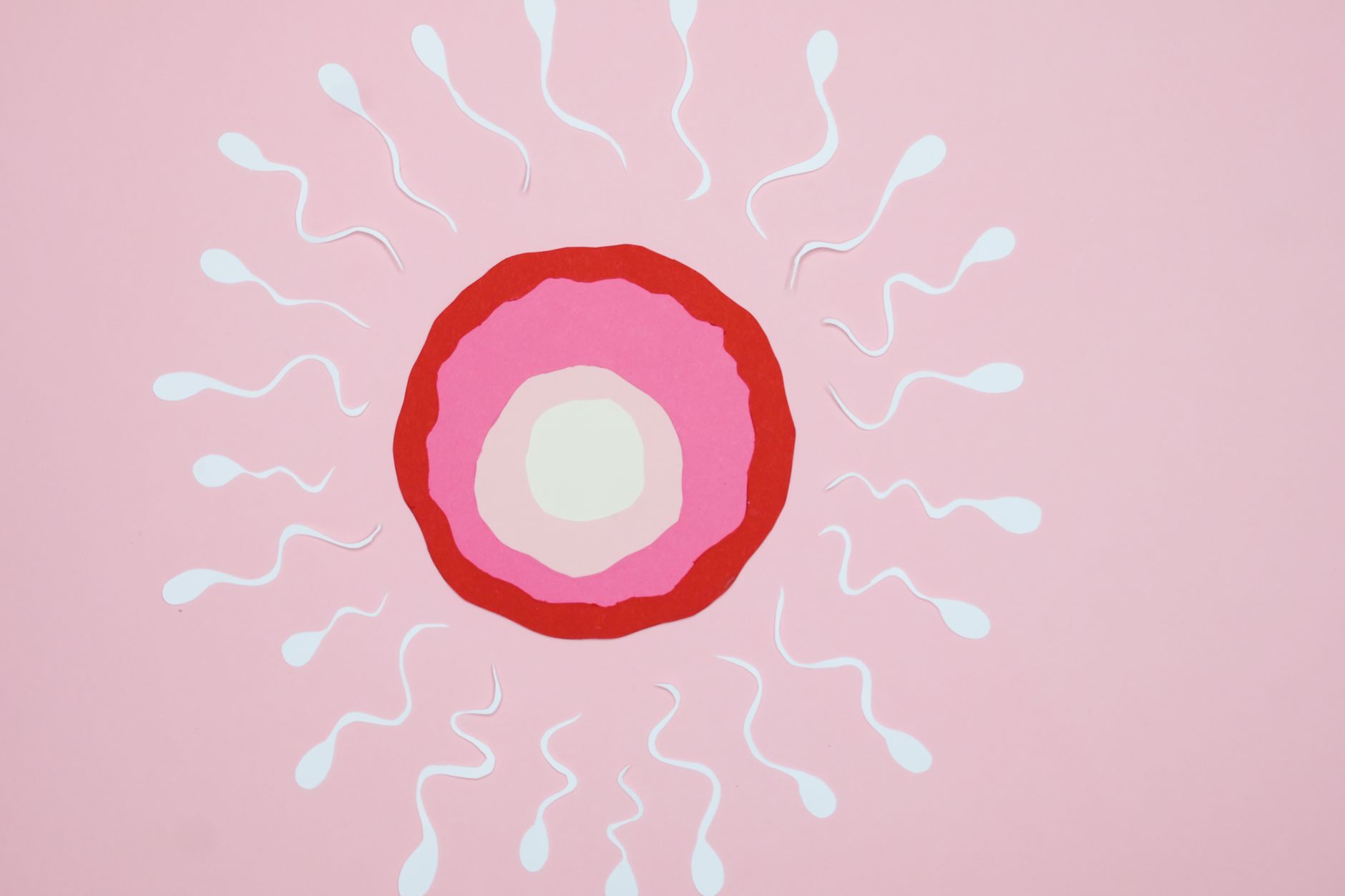
Take cosmic origin language such as the heavens and the earth being joined and then separated (Sūrat al-Anbiyāʾ 21:30). The verse is brief, vivid, and non-mythic. It does not function as a full cosmological theory, yet its imagery sits comfortably with an origin of the cosmos from an earlier undifferentiated condition. Or take the Quran’s emphasis that all living things were made from water in the same verse. The statement is broad, fundamental, and deeply consonant with biology.
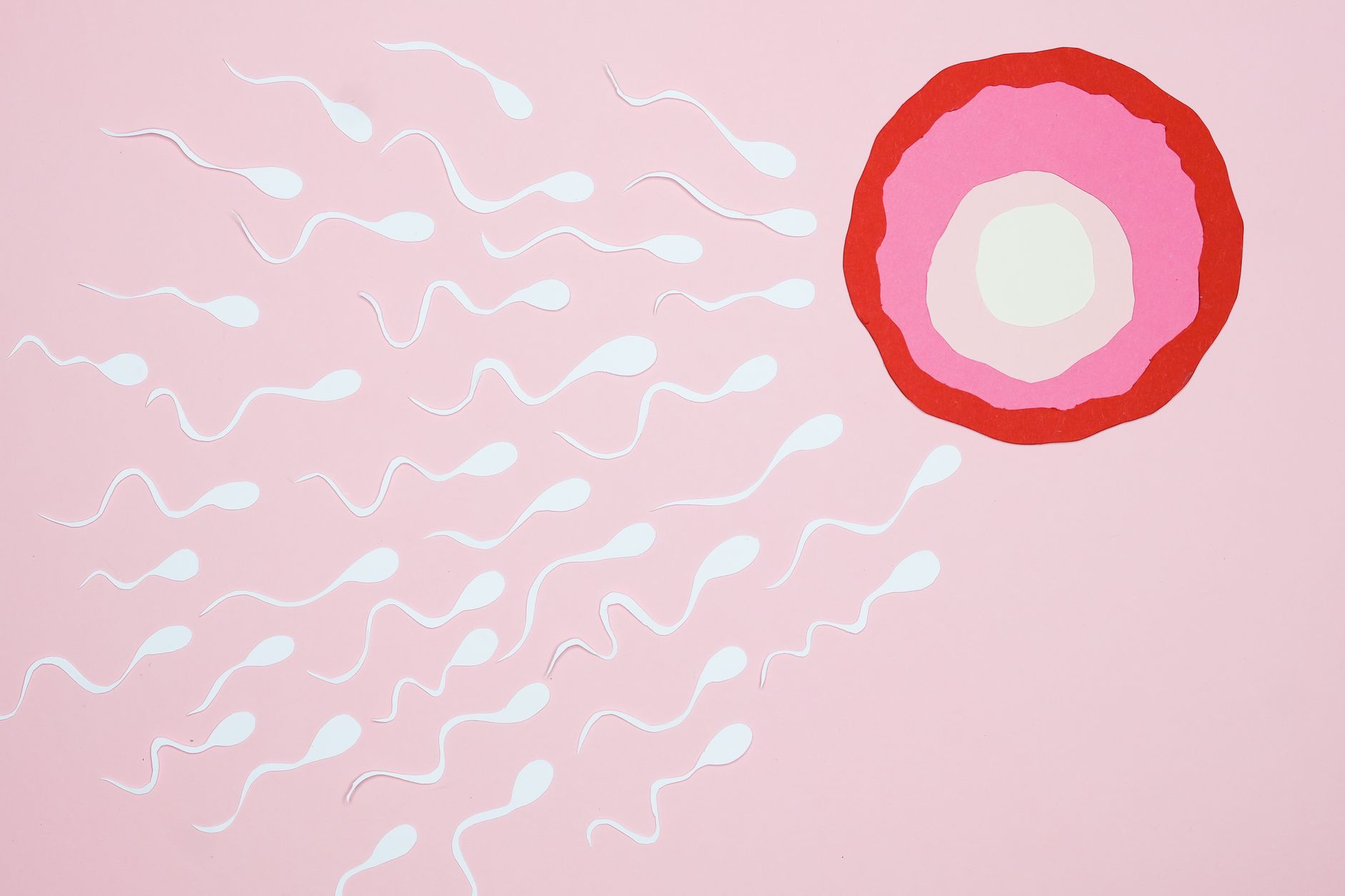
Take also the embryological language of stages. Caution is needed here. One should avoid pretending that every Arabic term maps exactly onto a modern medical label. The Quran’s presentation of development in ordered stages (including a clinging phase and a chewed-like form) has remained broadly impressive to many readers precisely because it is observationally apt without collapsing into fantasy. The same applies to verses that describe the heavens as being built with power and widened, or mountains as having a stabilising role in the earth’s surface, or the barrier-like behaviour between bodies of water. These verses should be handled with restraint. They still retain cumulative force.
Why the cumulative case matters
No single verse needs to carry the whole burden of proof. The better case is cumulative. The Quran repeatedly calls the reader to investigate the heavens, the earth, the self, biological development, climate, night and day, and the order of creation. It does so while preserving theological purpose, moral seriousness, and remarkable freedom from the mythological cosmologies that surrounded late antiquity. That combination is unusual.
The issue is wider than prediction. The Quran presents a world that is orderly, intelligible, open to study, and saturated with meaning. That vision helped make scientific inquiry religiously legible within Islam. A revelation that repeatedly unites observation with worship, and fact with value, fits a worldview in which truth is ultimately one and nature is a field of signs rather than a brute accident.
The disciplined conclusion
The safest conclusion is also the strongest one. The Quran is not a science textbook, and careless miracle-hunting weakens apologetics. A disciplined concordance case remains real. The text’s treatment of nature is serious, layered, rational, and repeatedly supportive of later knowledge in ways that strengthen the case for divine authorship. The science argument should be pruned, refined, and retained, rather than abandoned.
On that view, the point makes sense. The same God who reveals the book also creates the world. A lasting harmony between revelation and reality is therefore exactly what one would expect. The Quran’s scientific signs do not stand alone, yet within the wider case for Islam they remain supportive, suggestive, and worthy of confidence.
The framework
The concept of sunan (God’s immutable patterns embedded in creation) provides the right framework here. If the same God authored both the Quran and the natural world, then a lasting harmony between revelation and observable reality is exactly what one would expect. The signs the Quran points to are invitations to recognise that the book which describes the world and the world it describes share a single Author, rather than proofs in the laboratory sense. The unity of truth means that genuine investigation of nature and genuine reflection on revelation converge rather than conflict.
The stronger framework is sunan (God’s immutable patterns embedded in creation), rather than “scientific miracles.” If the same God authored both the Quran and the natural world, a lasting harmony between revelation and reality is exactly what one would expect. The unity of truth means the two cannot ultimately diverge. Signs in the text that align with discovered patterns in nature are the expected result of a single Author, rather than coincidences.