Many people encounter hadith through screenshots, weaponised translations, or isolated reports detached from isnad, grading, legal use, and scholarly dispute. They conclude that hadith is either unquestionable or worthless. Both instincts are crude. The Islamic tradition developed hadith criticism precisely because reports about the Prophet mattered too much to be handled carelessly.
What hadith science actually does
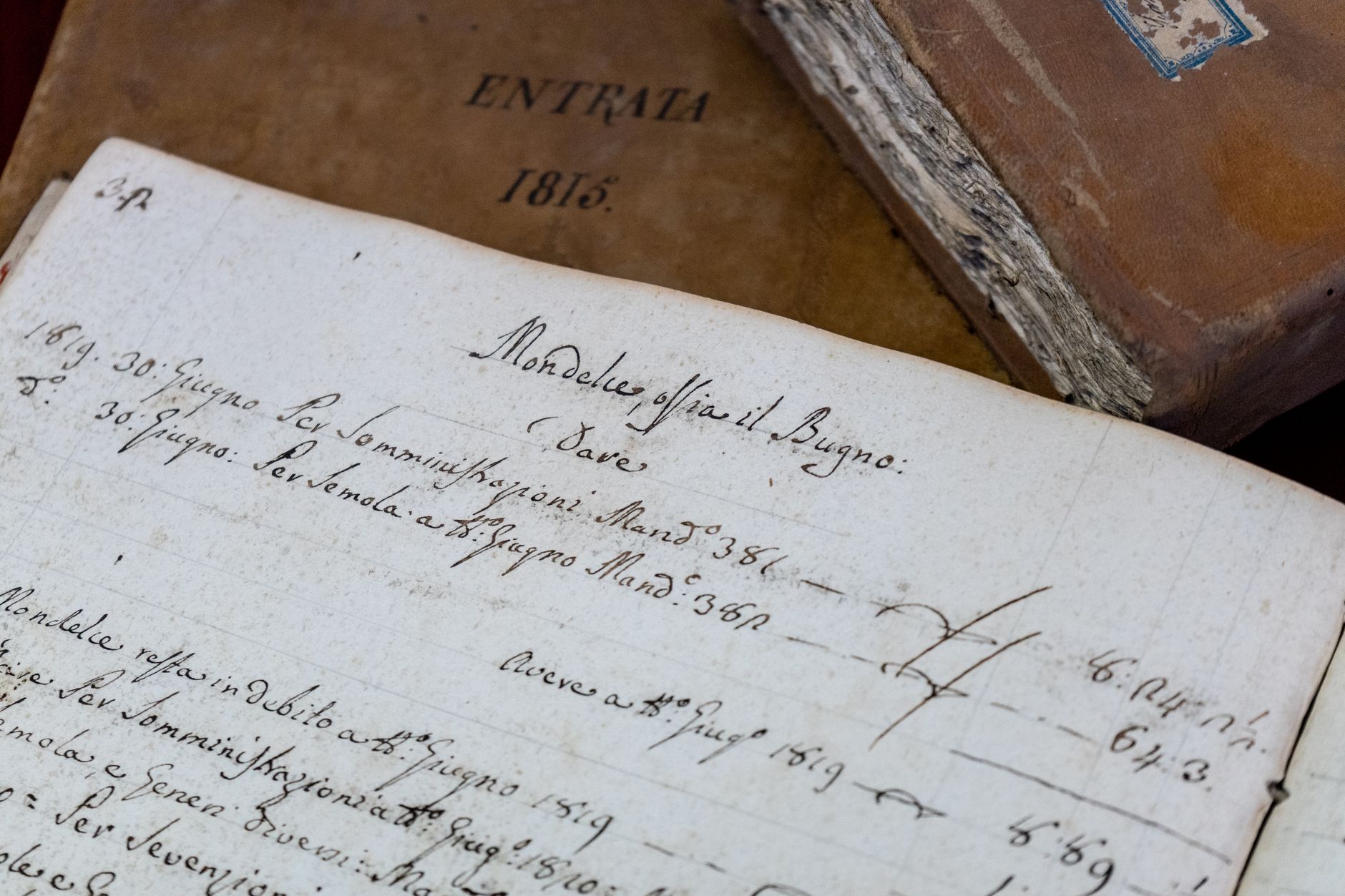
Hadith scholars did not merely collect sayings. They investigated chains of transmission, compared routes, assessed transmitter memory and character, tracked hidden defects, weighed contradictions, distinguished stronger from weaker reports, and graded material into categories including sahih (sound), hasan (good), and da’if (weak). This was not modern historiography in every respect, yet it was an unusually rigorous premodern verification system — arguably the most sophisticated transmission-critical methodology developed before the modern era.
The isnad — the chain of named transmitters through whom a report descended — was treated as primary data. Transmitters were evaluated for memory, uprightness, and capacity for reliable transmission. The biographies of tens of thousands of transmitters were compiled in the rijal literature specifically for this purpose. A report without a reliable chain, or with a gap in the chain, or transmitted through a known fabricator, received a lower grade or was rejected altogether.
Why criticism is built into the tradition
The existence of weak and fabricated hadith is often presented as a scandal. In reality it is one reason the hadith sciences exist at all. Muslim scholars expected forgery, error, sectarian bias, paraphrase, and memory lapse. They built methods to detect them. Imam Bukhari, compiler of the most authoritative hadith collection, is reported to have screened over 600,000 reports and retained approximately 7,000 unique narrations as meeting his standards. A tradition that openly grades, disputes, narrows, and sometimes rejects reports is displaying epistemic seriousness, not collapse.
The corollary is important: not every text that circulates as hadith carries equal authority. When an objector presents a weak or disputed narration as though it settles the question, the response is not to defend the narration — it may well deserve its weak grading — but to point out that the grading system exists and that the tradition itself exercised that judgment.

The right level of confidence
Confidence in hadith is not flat. Mass-transmitted (mutawatir) material — narrations transmitted by so many independent chains that conspiracy or mass error is implausible — carries near-certain status. Solitary (ahad) narrations, however well graded, carry probability rather than certainty, and classical scholars generally distinguished the epistemic status of these two categories.
This graduated confidence is not a weakness. It is intellectual honesty. Modern critics who claim that hadith is unreliable because some hadith are weak are in a similar position to a person who argues that history is unreliable because some historical documents are forgeries. The existence of poor sources demonstrates the need for source criticism, not the impossibility of reliable historical knowledge.
Hadith and the Quran
The Quran and hadith do not have equivalent authority in Islamic epistemology. The Quran is mutawatir in its entirety — mass-transmitted across generations with a degree of preservation that admits no serious dispute. The hadith corpus is varied in its reliability. Classical scholars understood this distinction and applied it: Quranic verses establish principles, and hadith that appear to conflict with those principles are scrutinised accordingly.
When a hadith is used to argue against Islam, the first questions to ask are whether the narration is sound, whether its context is understood, and what the wider juristic tradition made of it. The tradition is not uniform in its readings, and the contested hadith that appear most frequently in online polemic are often precisely the ones that were most carefully examined and debated by classical and contemporary scholars — evidence that the tradition took the difficulty seriously.