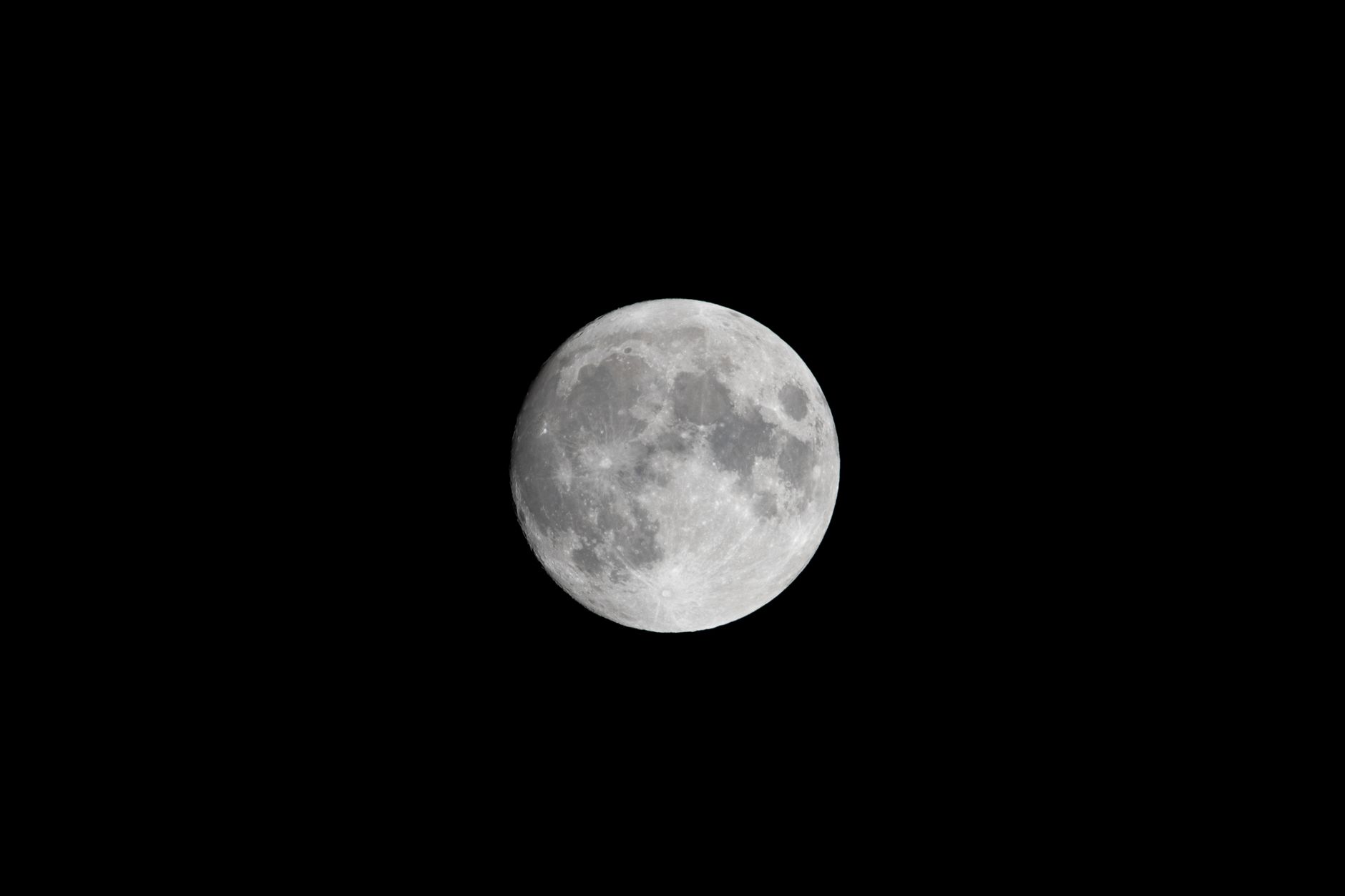
The moon splitting is referenced in the Quran: “The Hour has drawn near and the moon has split” (54:1). Early Islamic sources report this as a miracle witnessed by the Meccans before the Hijra — the moon appeared to divide and then rejoin, in a brief public event. No Chinese astronomical records, no Roman chronicles, no Indian observatories document it. The moon is still in one piece. Critics say this settles the question. It does not, but the honest answer requires acknowledging what the evidence does and does not show.
What the Quranic verse actually says
The opening verse of Surah Al-Qamar has been interpreted differently by classical exegetes. The majority position among classical commentators is that it refers to an actual historical event that occurred during the Prophet’s lifetime. A minority position holds that the verse refers to a future event — the splitting of the moon as a sign of the Day of Judgment — and that the past tense indicates prophetic certainty about a future occurrence, a recognised Arabic rhetorical form known as the historical present.
The historical event interpretation is supported by a substantial hadith record. Multiple companions — including Ibn Masud, Anas ibn Malik, and Hudhayfah — reported witnessing the event, and their accounts are preserved across different transmission lines. The Meccan response in the sources is telling: they accused Muhammad of sorcery, not of fabrication. They reportedly did not deny what they saw; they disputed its source.
The argument from silence
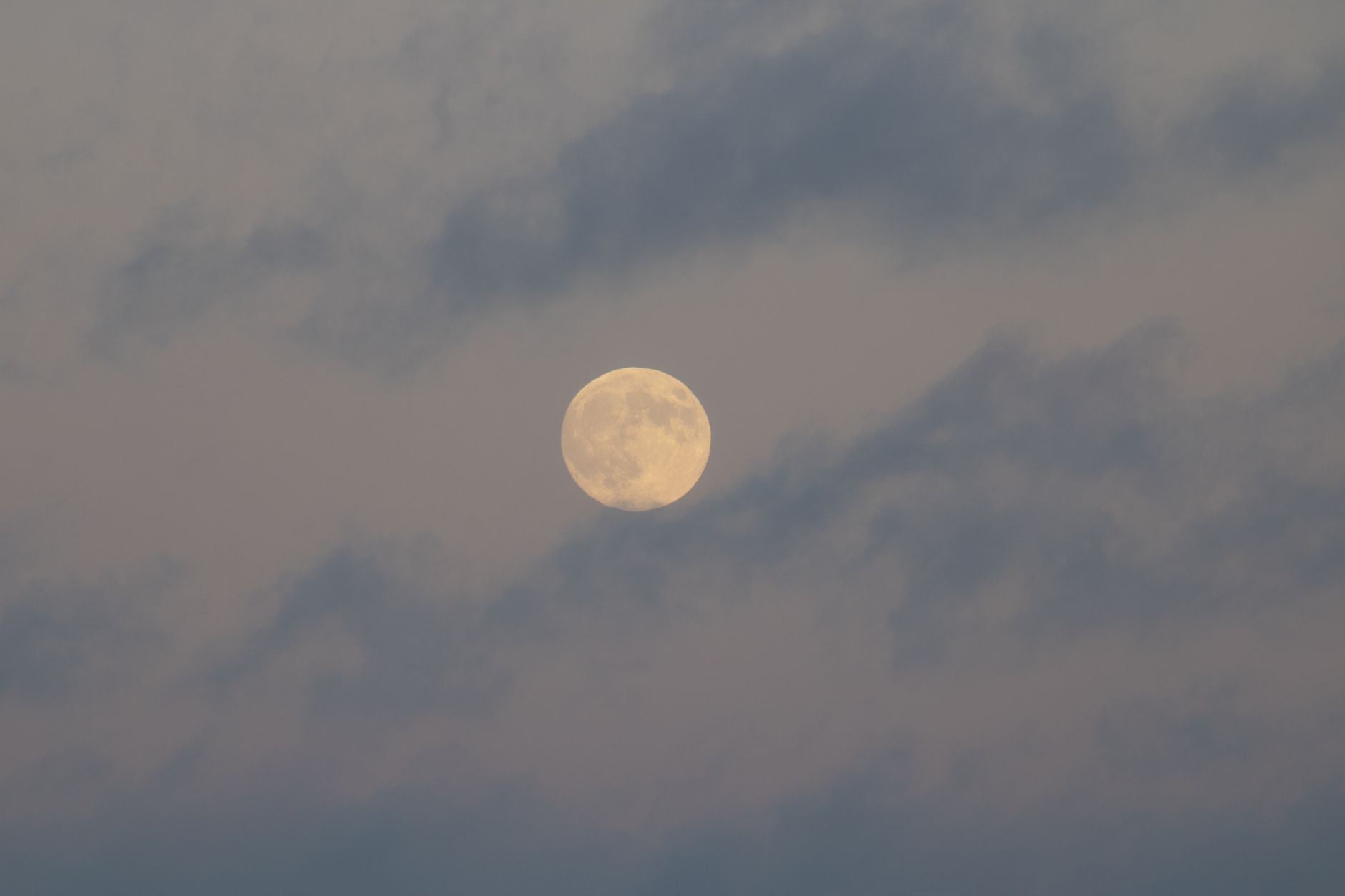
The absence of external records is the strongest evidence against the historical interpretation. This deserves direct engagement rather than dismissal.
Several considerations affect how much weight to place on this silence. First, the event is described in Islamic sources as brief — the moon split and rejoined rapidly. A brief, non-catastrophic event visible from one region of Arabia would not necessarily generate records in China, Rome, or India, particularly if it was not accompanied by lasting astronomical consequences requiring explanation. The event left no permanent physical mark on the moon that modern instruments could detect centuries later.
Second, the 7th century is not the age of coordinated global astronomical observation. Records from this period survive unevenly. The absence of a record is not a record of absence — it is silence, which is epistemically weaker than positive counter-evidence.
Third, and most honestly: the absence of surviving records is genuinely inconclusive. It is evidence that, if it occurred, it left no trace in the surviving documentary record outside the Islamic tradition. That is a real epistemic limitation on the historical claim.
What this means for the believer and the sceptic
A person who already has strong reasons to accept Muhammad’s prophethood from other evidence will find the moon-splitting claim consistent with a prophetic biography that includes other miracles. The internal Islamic evidence — the companion reports, the Quranic reference, the fact that early opponents did not dispute the occurrence but disputed its source — is meaningful within that framework.
A person who does not yet have reasons to accept Muhammad’s prophethood will not find the moon-splitting claim independently compelling, and should not be expected to. The honest position from the Islamic side is: this is a miracle claim supported by Quranic reference and the companion testimony tradition, without surviving external corroboration. It is not the primary evidential basis for accepting Islam. It belongs to the category of claims that cohere with a prophetic biography once other grounds for accepting it are in place.
What the claim does not deserve is dismissal on the grounds that “the moon is still in one piece.” No Islamic source claims the split was permanent. A transient event from fourteen centuries ago leaves no geological trace for modern astronomy to find. The honest position on both sides is to acknowledge what the evidence reaches and where it stops — rather than treating absence of surviving record as the same as proof of non-occurrence.