A claim circulates widely in Christian polemic: Allah was originally a pagan Arabian deity, perhaps a moon god, perhaps the idol Hubal who stood in the Kaaba, and Muhammad simply promoted him to supreme status. The crescent on mosque domes is offered as the proof. The argument has been repeated so often that many people assume scholars accept it. They do not, and the reasons are worth setting out, along with the stronger question that lies behind the slogan.
The word Allah
Allah is the Arabic word for God, formed from the definite article and the word for a deity, cognate with the Hebrew El and Eloah and the Aramaic Alaha. Arabic-speaking Christians and Jews used it before Islam and use it today. An Arabic Bible opens with the words “In the beginning God created the heavens and the earth” using Allah for God, and Arab Christians pray to Allah in their churches every Sunday. Whatever the word meant to pagan Arabs, it was the ordinary Semitic term for the one God among monotheists who spoke the language.
The more careful Christian critics concede this point. Their stronger argument is theological: granted that Allah is a generic word, do Muslims and Christians mean the same being by it? That is a fair question, and it is answered at the end of this article. The moon god thesis is a different claim, and it fails on its own evidence.
What the Quran says the pagans believed
The Quran reports that the Meccan polytheists already acknowledged Allah as the creator of the heavens and the earth. Their error, as the Quran describes it, lay in associating partners with Him: lesser deities, intercessors and daughters.
The goddesses they worshipped are named, and the Quran rejects them outright.
This is the opposite of what the moon god thesis requires. If Muhammad had elevated a pagan deity, the Quran would be expected to keep that deity’s associations, consort or symbols. It does the reverse. It takes the one name the polytheists already recognised as the highest and strips away every partner, daughter and image attached to it. The three most prominent goddesses of the Hijaz are dismissed as names without authority. The Prophet’s message, in the Quran’s own framing, was a return to the faith of Abraham, which the Meccans claimed to honour and had corrupted.
Hubal and the Kaaba
The early historians report that an idol of Hubal stood inside the Kaaba before Islam and that the Meccans consulted divining arrows before it. The same historians report that when the Prophet entered Mecca in 630, the idols in and around the Kaaba were destroyed, Hubal among them. A prophet who wished to honour Hubal under another name would hardly order his statue broken. The early sources consistently present Hubal as one of the partners whose worship Islam abolished.
Pre-Islamic poetry and inscriptions also distinguish Allah from Hubal. Pagan Arabs could swear by Allah and by their other gods in the same breath, which shows they regarded them as different beings. The Quran’s demand was that they keep the first and abandon the rest.

The crescent and the moon
The moon god thesis was popularised in the twentieth century by writers who drew on older archaeological work on South Arabian religion, where a moon deity was worshipped under names such as Almaqah, Sin and Wadd. None of those names is Allah, and the inscriptions come from Yemen and its neighbours, far from Mecca. Scholars of pre-Islamic Arabia do not accept the step from “some Arabians worshipped a moon god” to “Allah was a moon god.” It has no textual support.
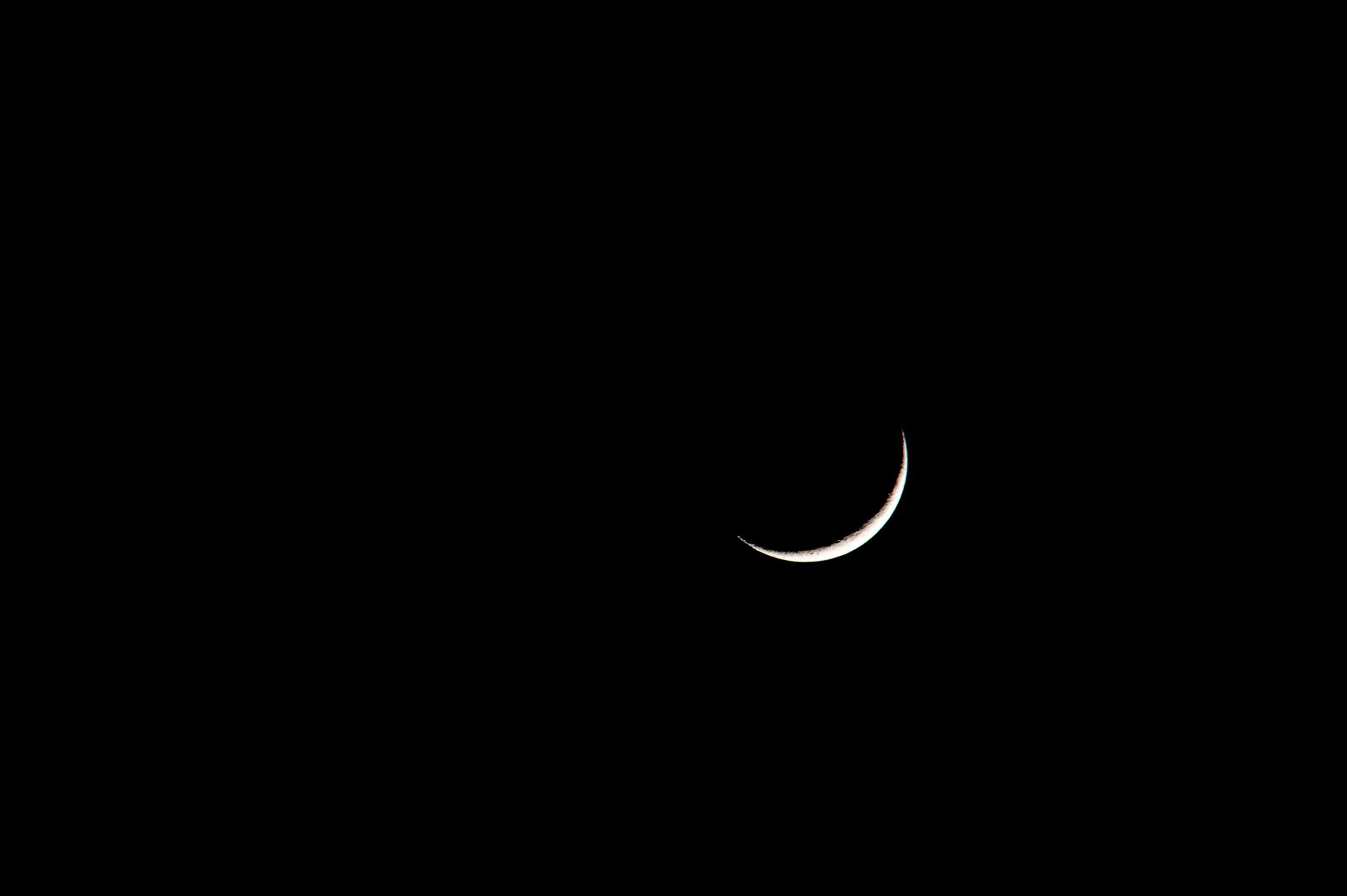
The crescent symbol confirms nothing. It is absent from the Quran and from the Prophet’s practice. It became a common emblem of Muslim states much later, largely through Ottoman usage, and it has no doctrinal status. The Quran treats the moon as a created sign and forbids its worship in so many words:
A scripture that forbids prostration to the moon is a poor candidate for a moon cult in disguise.
The real question: the same God?
The serious version of the objection grants all of the above and asks whether the God described in the Quran is the God of the Bible. The Quran’s answer is direct. It instructs Muslims to tell the Jews and Christians that their God is one:
From the Quran’s side, then, the identity of reference is affirmed: the God who spoke to Abraham, Moses and Jesus is the God who speaks in the Quran. The disagreement concerns what is true of Him. Christians confess God as Trinity and Jesus as God incarnate; the Quran denies both and describes God this way:
A disagreement about a person’s attributes presupposes that both parties are talking about the same person. Jews reject the Trinity and the divinity of Jesus as firmly as Muslims do, and Christians do not generally say that the Jews worship a moon god or a different deity; they say the Jews have an incomplete or mistaken understanding of the one God. The same reasoning applies to Muslims. One may think the Quran describes God wrongly, which is the substance of the Christian objection, without pretending that Muslims bow to an idol. The theological dispute is real and worth having on its merits. The moon god story is a distraction from it.