The public face of Islam (law, ritual, politics, controversy) often obscures its inner dimension. Beneath the rules and the headlines lies a contemplative tradition of extraordinary depth, developed over fourteen centuries by some of the most sophisticated spiritual psychologists in human history. The tradition is the animating spirit of the law, rather than separate from it: the answer to the question “why?” that the rules alone cannot provide.
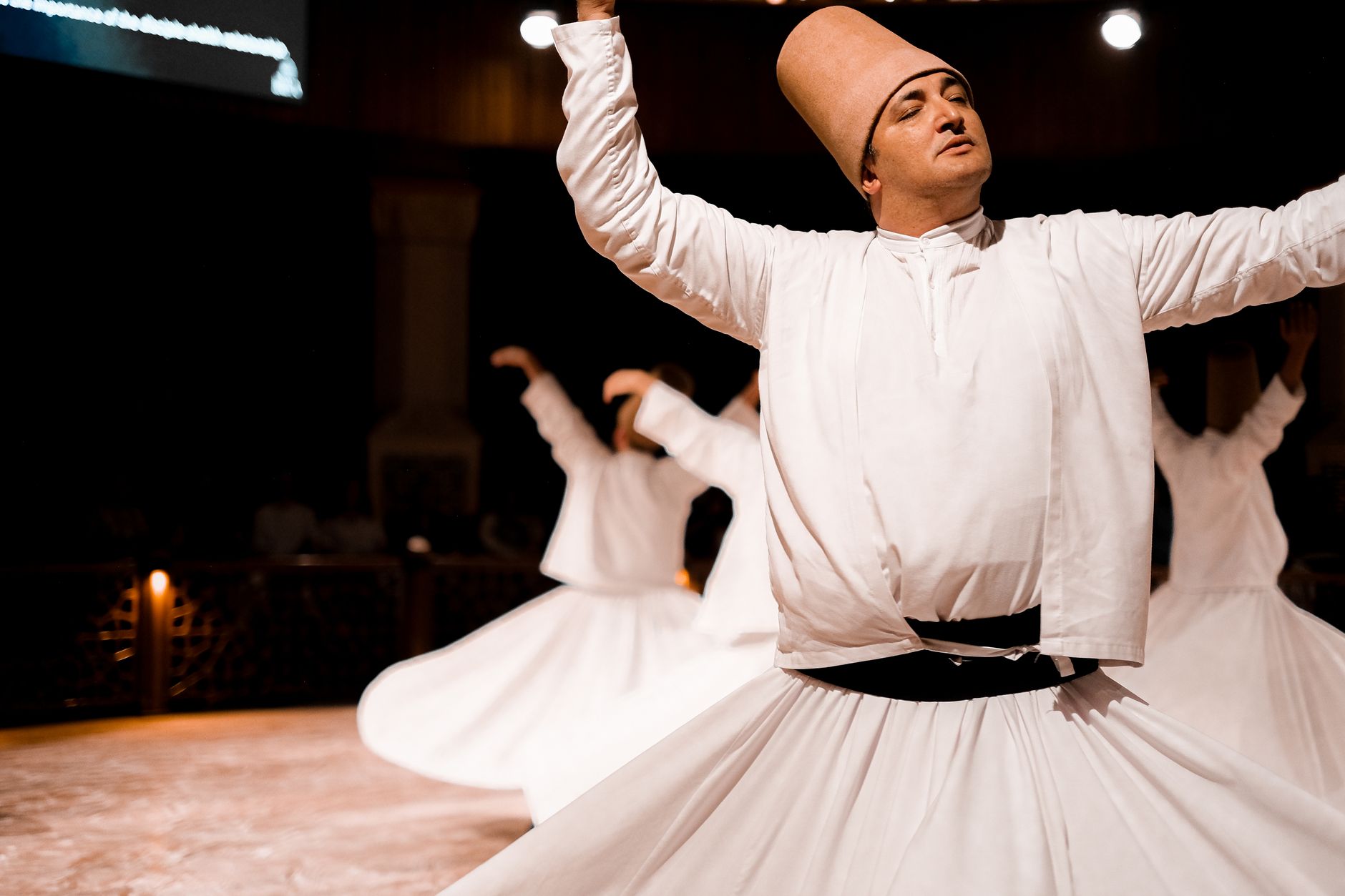
Iḥsān: the heart of worship
The Prophet Muḥammad ﷺ was asked about the three dimensions of the religion. The narrator was the angel Gabriel, who appeared in human form before the Prophet and his companions in the most famous of all hadiths on the structure of religious life:
Islam is the outward practice (prayer, fasting, pilgrimage). Īmān is the inward conviction (belief in God, the prophets, the hereafter). Iḥsān is the third dimension, the spiritual heart of Islam. It transforms ritual from mechanical repetition into conscious encounter.
A person who prays five times a day without iḥsān is performing a physical exercise. A person who prays with iḥsān is standing before the Creator of the universe, aware of His presence, conscious of being seen and known. The difference is in the quality of attention rather than in the movements, and that quality of attention is what the entire spiritual tradition of Islam is designed to cultivate.
Dhikr: the practice of remembrance
The Quran commands remembrance of God (dhikr) more frequently than it commands any other practice:
The spiritual tradition took these commands seriously and developed sophisticated practices of remembrance: repeated invocations, contemplative prayer, mindful awareness of God’s presence throughout the day. The practices are designed to transform the practitioner’s inner state.
Dhikr is the discipline of turning the heart’s attention toward God until that attention becomes habitual, rather than mindless repetition. Until the awareness of being in God’s presence permeates every action, every thought, every encounter. The great spiritual masters described this as the polishing of the heart: removing the accumulated rust of heedlessness until the heart reflects the divine light as clearly as it was designed to.
Taqwā: the consciousness of God
The Quran’s most frequently recommended quality is taqwā (God-consciousness, awareness of the divine presence, the inner vigilance that keeps the khalīfah aligned with his vocation). Taqwā is the awareness that every action is witnessed, every intention is known, and every moment is an opportunity to draw closer to God or further away, rather than fear in the ordinary sense. It is the spiritual equivalent of the scientist’s reverence for truth: an unwillingness to deceive, to cut corners, to pretend.
The person with taqwā does not need external enforcement to behave justly. The consciousness of God is its own enforcement. The spiritual tradition therefore completes the law rather than opposing it. The law tells you what to do. Taqwā tells you why, and that why, once internalised, produces a quality of moral life that external rules alone cannot achieve.
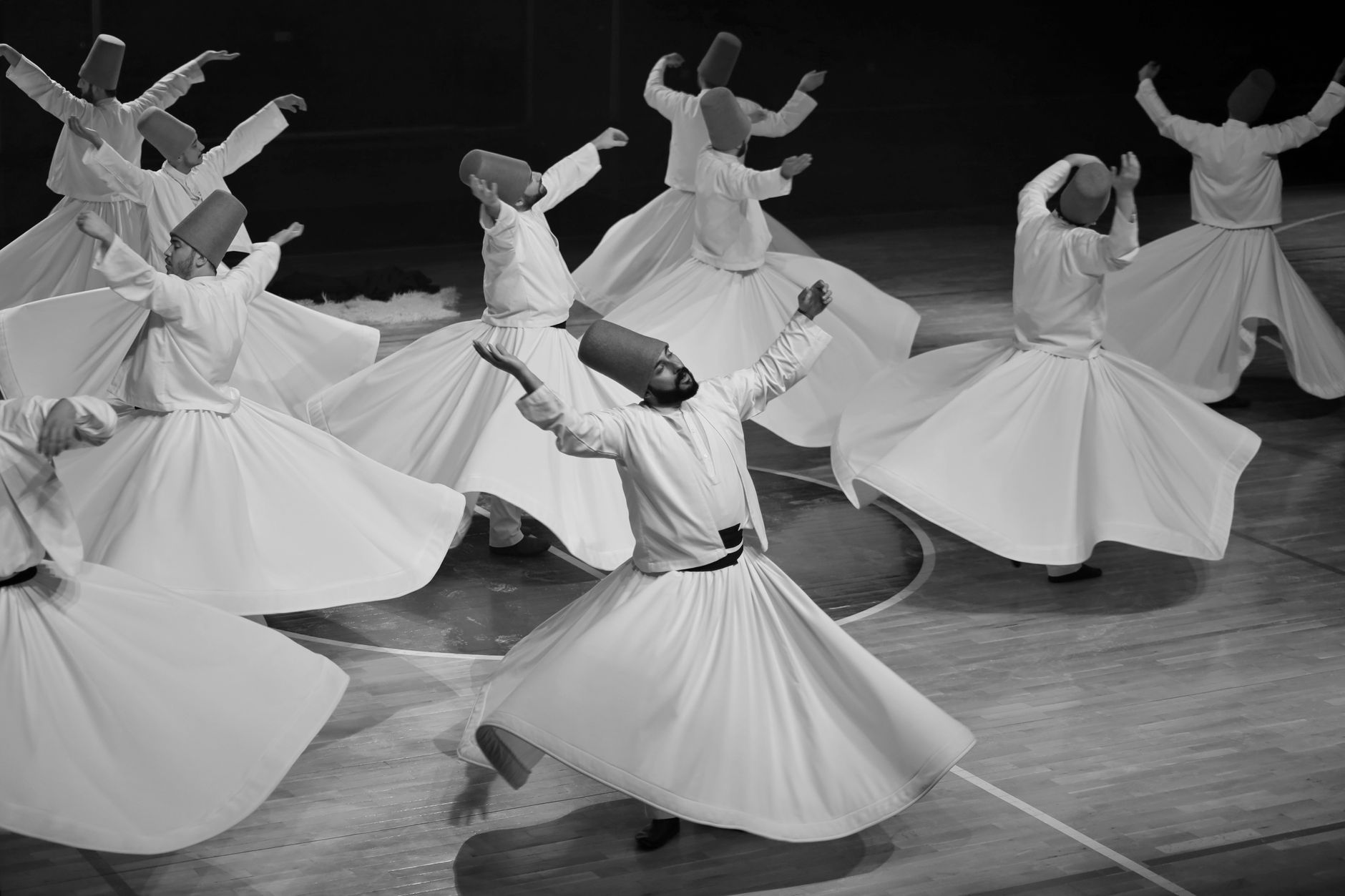
The inner journey toward God
The great spiritual masters (al-Ghazālī, Ibn ʿAṭāʾillāh, Rūmī, al-Muḥāsibī) mapped the stages of the inner journey with the same precision that the jurists mapped the stages of legal reasoning. They described the nafs (the ego) and its diseases: arrogance, envy, attachment, heedlessness. They described the remedies: gratitude, patience, contentment, trust in God. They described the stations the traveller passes through on the way to spiritual maturity: repentance, renunciation, trust, love, presence.
The tradition is about transforming the self so that it fulfils its vocation as khalīfah more fully, rather than mysticism in the Western sense. The material world is the arena in which the khalīfah acts, rather than the enemy. The spiritual tradition exists to ensure that the khalīfah acts well: with awareness, with sincerity, and with the consciousness that every action matters because God is watching.

The Prophet on the heart at the centre
The hadith tradition identifies the heart as the seat where this entire spiritual architecture takes its effect or fails to:
The hadith locates the centre of moral and spiritual health in the heart, conceived not merely as the physical organ but as the seat of intention, attention, and orientation. The whole structure of the spiritual tradition (iḥsān, dhikr, taqwā, the inner journey) is the science of keeping the heart sound. The legal practice and the doctrinal study are necessary but not sufficient. The sound heart is what makes the rest of religious life function as it was designed to.
Why this matters for the seeker
If Islam were only a set of rules and arguments, it would satisfy the intellect but leave the heart empty. The contemplative tradition fills what the arguments alone cannot. It offers direct experience of the God whose existence the arguments establish. It offers practices (prayer, remembrance, fasting, night vigil) that transform the practitioner from the inside. It offers a community of seekers who have walked the path before and left detailed maps of the terrain.
The person who finds the philosophical arguments for God compelling but hesitates at the threshold of Islam may be waiting for something the arguments cannot provide: the experience of God’s presence. The experience is what the spiritual tradition offers. It is available to anyone willing to begin the practice, and the tradition promises that the God who is sought is also seeking.
The contemplative tradition is the complement to the intellectual case for Islam, rather than its alternative. The arguments establish that God exists. The spiritual practices establish contact with the God whose existence has been established. The khalīfah who knows God through argument alone knows about God. The khalīfah who knows God through practice knows God. Both forms of knowledge are necessary. Neither alone is sufficient. The person who hesitates at the threshold of Islam because the arguments feel cold may find that the warmth they are looking for exists on the other side: in the practice, in the remembrance, in the sustained attention to a presence that the arguments can only point toward but never replace.
The spiritual tradition is alive rather than a museum exhibit: in the dhikr circles that meet in cities across the world, in the night prayers of ordinary Muslims who wake before dawn to stand before God in silence, in the fasting that strips away distraction and leaves the soul exposed to its Creator. The tradition is accessible to anyone willing to begin. It does not require special knowledge, special status, or special permission. It requires only sincerity: the same sincerity that brought you to ask the questions this site addresses. The God who is sought, the tradition promises, is also the God who draws near.