The philosophical arguments about suffering and God have been made elsewhere on this site: the logical problem, the evidential problem, the free will defence, the greater goods response. Those arguments are important. They are not what this article is about. This article addresses the question behind the question: not “does suffering disprove God?” but “if God exists and is good, what is suffering for?”
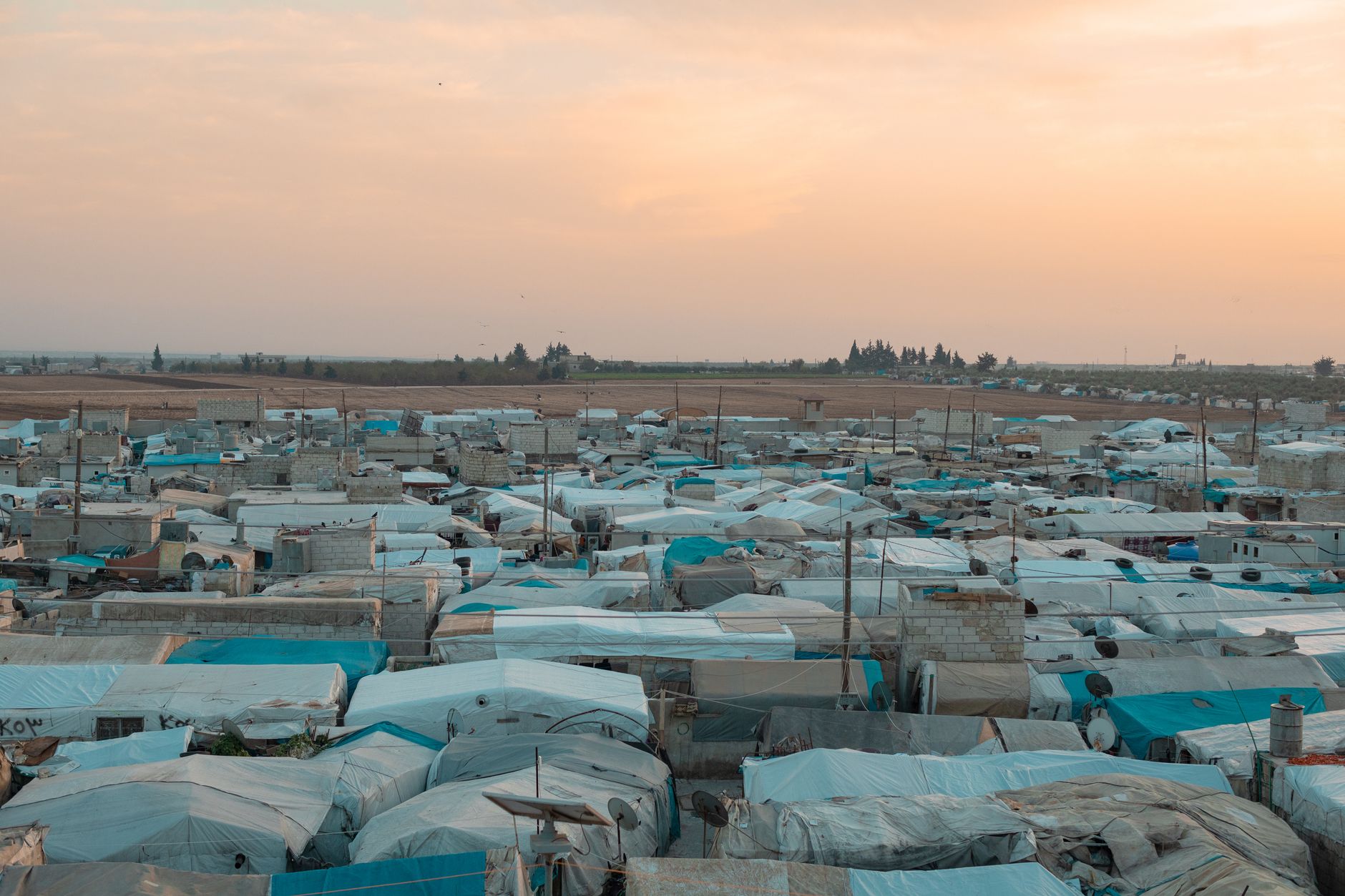
If you are reading this because something happened to you, because you are in pain, because someone you loved was taken, because the world broke a promise you thought God had made, then this article is written for you. The article is not designed to argue you into submission. The article offers what the Islamic tradition actually says about why the world is the way it is.
The world was not designed for comfort
The first thing Islam says is that the world was not designed to be paradise. The world was designed to be an arena. The Quran describes God offering a trust to the heavens, the earth, and the mountains. All refused it. The human being accepted it.
The trust, the amānah, is the capacity and obligation to choose freely between good and evil, to act morally in a world where immorality is possible, to carry responsibility that the rest of creation declined. The trust is what makes the human being unique. The defining feature is moral agency: the ability to do what is right when doing what is wrong is easier.
A world designed to test moral agency cannot be a world without difficulty. A test with no stakes is a test in name only. A choice between good and evil that costs nothing is a choice in name only. The world contains suffering because the world is the arena in which free beings demonstrate what they are made of. The demonstration requires real consequences, real loss, real weight.
Suffering is not punishment
One of the most damaging misunderstandings, one that has driven more people from faith than any philosophical argument, is the idea that suffering is God’s punishment for sin. That the child with cancer did something to deserve it. That the earthquake struck because the people were wicked. That your pain is your fault.
Islam rejects this. The Quran is explicit that no soul bears the burden of another. The Prophet ﷺ lost his own son Ibrāhīm in infancy. He wept. He grieved. He did not say it was punishment.
The Prophet’s response to losing his own child is the tradition’s working model for grief. The tears are real. The heart’s grief is real. The submission to God in the moment of loss is real. None of these cancels any of the others. The framework refuses both the dismissal of grief and the rebellion against the One who gave the loved one in the first place.
Suffering in the Islamic framework is one of several things, depending on the person and the circumstance: a test of character, a purification of the soul, a means of drawing closer to God, a stripping away of attachments that were never meant to be permanent, or simply the natural consequence of living in a world governed by consistent patterns, the sunan of God, where fire burns, gravity pulls, and cells sometimes mutate. The regularity that makes science possible is the same regularity that makes natural suffering inevitable.
The promise that nothing is wasted
The Islamic account does not stop at explaining why suffering exists. The account makes a specific promise: that no suffering endured with patience is wasted. Not diminished. Not compensated with a token gesture. Not wasted.
The God who created you, who placed you in this arena, who gave you the trust that the mountains refused, sees every moment of your suffering, counts it, and promises that the accounting will be complete. The hadith image of leaves falling from a tree describes the automatic, governed-by-law character of the cleansing. The person in pain may not feel this as comfort. That is honest. Theology does not anaesthetise. It does offer a framework in which suffering has meaning, the serious meaning of a God who created a world where choices matter, consequences are real, and no atom’s weight of endurance is lost.
What the khalīfah carries
The human being, in the Islamic vision, is God’s representative on earth, placed here to act, to build, to heal, to resist injustice, to carry the moral weight that creation itself could not bear. The khalīfah does not sit in suffering and wait for God to fix it. The khalīfah acts. The khalīfah feeds the hungry, shelters the displaced, fights the oppressor, heals the sick, as the core of the vocation rather than as optional charity.
Much of the suffering in the world is the result of human choices: greed, cruelty, indifference, corruption. The khalīfah’s response to that suffering is action, not philosophical contemplation. The Quran does not merely explain suffering. The Quran commands the response: establish justice, care for the orphan, feed the destitute, speak truth to power. The suffering that results from human evil is the khalīfah’s failure to act, not God’s failure, and the remedy is effort.
The suffering that remains unexplained
There is suffering that no framework fully explains. The child born into agony. The earthquake that buries the innocent. The disease that takes the young mother. Islam does not pretend to have a complete explanation for every instance. What Islam offers instead is trust, not blind trust but trust built on the evidence that has been examined throughout this site: that a God exists, that He is good, that He is just, that He sees everything, and that the accounting is not finished.
The verse acknowledges the gap between the human perspective and the divine perspective and invites trust in the One whose perspective encompasses what yours cannot. The khalīfah who has accepted the trust does not demand a full accounting before continuing. The khalīfah acts, endures, and trusts that the God who designed the test also designed the resolution.
Why this matters for the seeker
If you came to this article carrying pain, actual grief, actual loss, actual rage at a God who could have prevented what happened to you, then the Islamic tradition does not ask you to suppress that. The Prophet Yaʿqūb (Jacob) wept so much for his lost son Yūsuf that he went blind. The Quran records his grief without rebuke. Grief is the natural response of a being who was designed to love, placed in a world where loss is possible, and given the capacity to feel the full weight of both.
What Islam offers is a promise: that the God who placed you here sees you, that the suffering is not meaningless, that the test is not sadistic, and that the resolution, when it comes, will be so complete that you will understand why the path went through the valley. The path went through the valley because the destination was worth it. The God who led you through it was never, for a single moment, absent.
The moral architecture of the universe requires a world where suffering is possible. The mercy of the God who built that architecture ensures that no suffering, however senseless it appears from within the test, is ultimately wasted. The khalīfah who carries the trust through the darkest valley is not carrying it alone. The God who offered the trust is present at every step, closer, the Quran says, than the jugular vein.