The free will defence handles a significant part of the problem of evil. Much of the suffering in the world is caused by human choices: violence, exploitation, neglect. A world in which human beings have genuine freedom to choose good entails the possibility of choosing harm. The defence is at least a partial explanation, even if its adequacy is disputed.
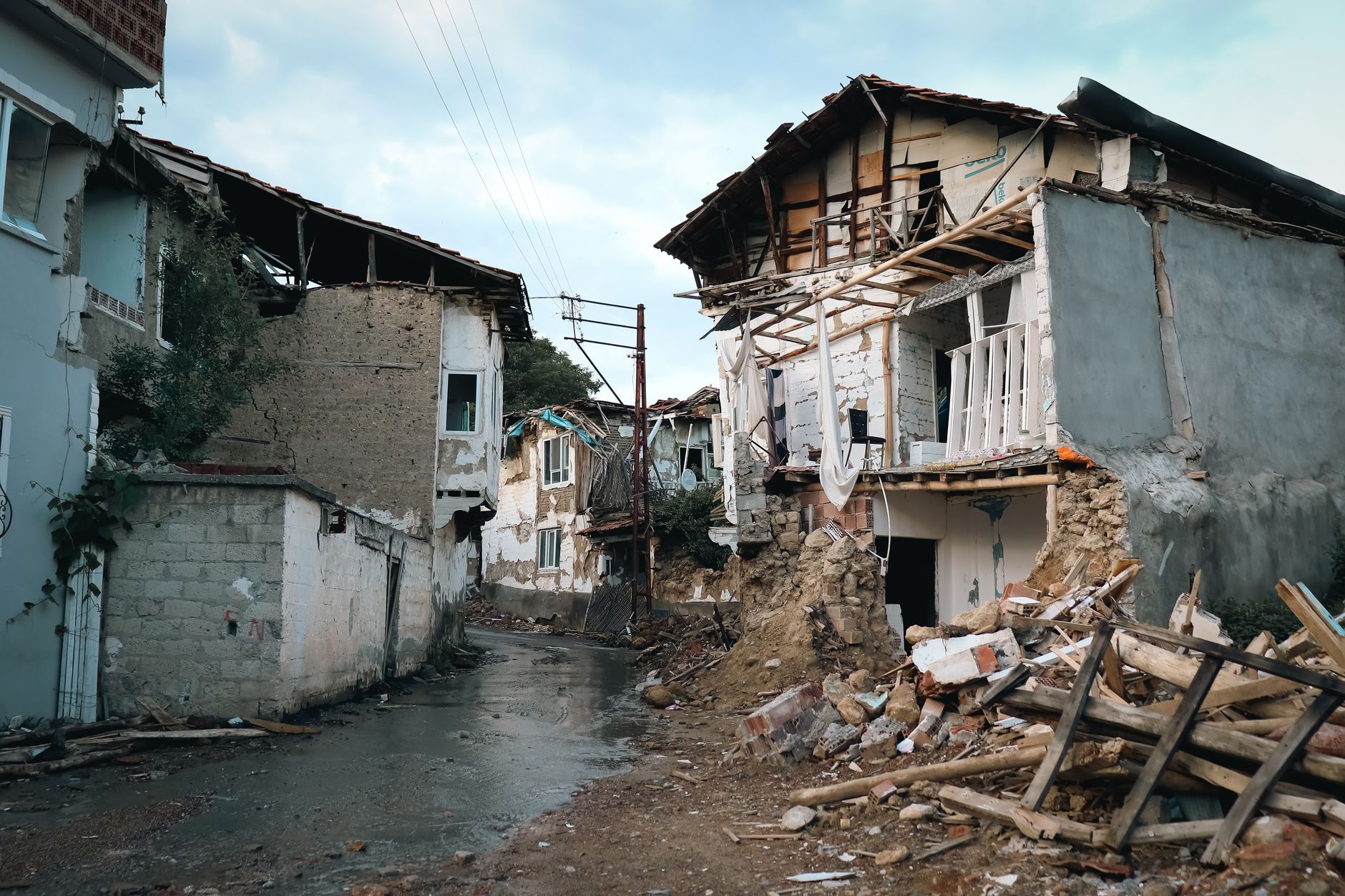
Natural evil stands apart. Diseases that kill children who have done nothing wrong. Earthquakes that destroy populations without moral cause. Animal suffering that preceded human existence by hundreds of millions of years. The suffering written into the structure of the physical world, into the biology of predation, into the geology of tectonic activity, raises the problem of evil in its hardest form, because free will is not available as a response.
The Quran’s framing of natural trial
The Quran addresses the universal experience of natural evil directly, framing it as part of the structure of the test rather than as evidence against the Creator’s goodness:
The verse states the framework directly. Both pleasant and unpleasant circumstances function as tests. The presence of natural hardship in human life is not anomalous within the Islamic account; it is built into the design of the human situation. The Quran does not promise the believer immunity from natural disaster, illness, or grief. It promises that the experience of these things, when borne with patience, has weight in the final accounting.
What can honestly be said
The honest answer is that the theist does not have a complete theodicy, a full account of why every instance of natural evil exists and is permitted by a good God. Anyone who claims otherwise is not taking the problem seriously.
What can be said is more modest. A world with a stable physical order, one in which events follow reliable causal laws, in which agents can plan and act and learn from the consequences of their actions, may require a world in which those laws produce outcomes that are harmful to particular individuals. Tectonic activity is responsible both for earthquakes and for the geological processes that make the planet habitable. The immune system that protects against most pathogens is the same system that produces autoimmune disease. The processes that sustain life also threaten it, because they are the same processes.
Animal suffering, while real and morally weighty, needs to be understood carefully. The experience of pain in non-conscious nervous systems is different from the experience of pain in conscious beings who can reflect on it, anticipate it, and grieve it. The observation does not eliminate the problem. It does change its character. The suffering of a fish is real. The suffering of a person who knows they are dying is a different kind of phenomenon.
There are also limits to human cognition in evaluating the purposes of a being of unlimited knowledge operating across time scales and dimensions of reality that we do not access. The claim that a particular suffering is genuinely purposeless, that no greater good depends on it, that no better world is reachable from this one that required this particular evil, is a claim of enormous confidence about something we are not in a position to know. The claim is an observation about the limits of the argument rather than a dismissal of the problem.
The accounting that runs alongside
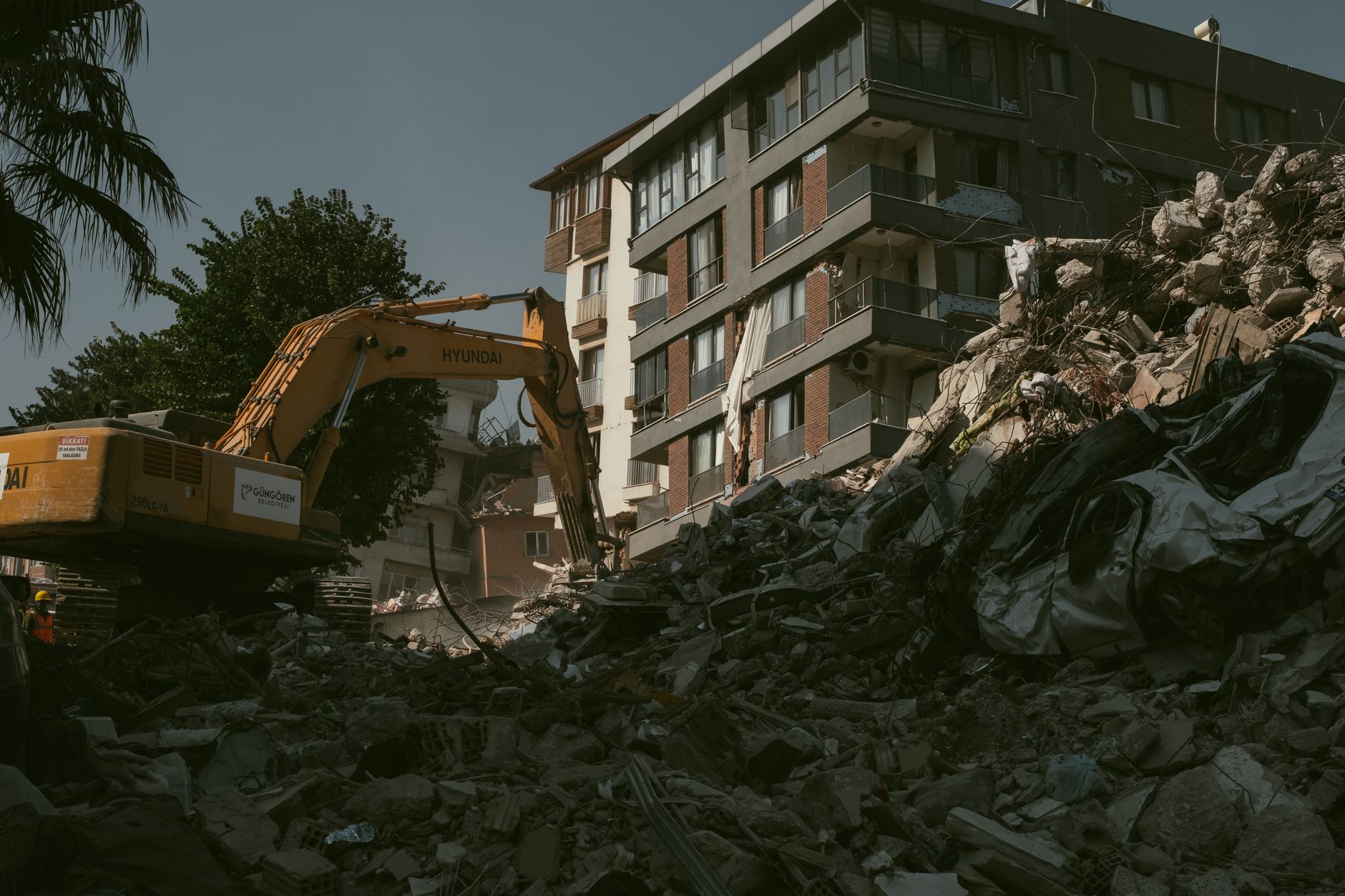
The Islamic tradition is explicit about how natural suffering is treated within the divine economy. Even pain that has no apparent moral purpose, no character-forming function, no obvious greater-good justification, is recorded and weighed.
The hadith does not explain why the illness occurred. It does explain what is happening to the soul of the person enduring it. The leaves-of-a-tree image is precise: the shedding is automatic, governed by a regularity built into the system, not requiring divine micromanagement of each event. The same regularity that produces the natural hardship produces the spiritual cleansing.
The question of scale
Perhaps the hardest form of the natural evil objection is cumulative: not any particular instance of suffering, but the sheer quantity and distribution of it, across the breadth of evolutionary history, affecting creatures who could not have deserved it and from whose suffering no obvious moral good emerges.
The honest theist cannot fully meet this objection. What can be said is that the same features of reality that produce natural evil (the regularity of physical laws, the structure of biological life, the capacity of matter to sustain consciousness) are also the features that produce the astonishing complexity, beauty, and richness of the natural world, including the existence of beings capable of asking this question. Whether those goods justify those costs is a question whose answer depends partly on what we believe about the full scope of reality, whether physical existence is the whole story, or whether there is more.
If there is more, if conscious existence does not end at the boundary of the physical, then the suffering of this world, while real and serious, may not be the final accounting. Whether that framing is sufficient answer to the problem of natural evil is a question each person has to confront honestly. It is a claim about the scope of reality that materialism denies and theism affirms, and its truth is precisely what the rest of this inquiry is concerned with establishing.
The structural feature of the objection
There is a feature of this objection that deserves attention. To say that natural evil is incompatible with a good God, you need a concept of “bad” that applies to earthquakes and cancer independently of anyone’s preferences about them. Natural disasters are bad because they cause suffering, and suffering is bad because there is a genuine standard of wellbeing against which states of affairs can be measured. The standard, if it is real and not merely conventional, requires explanation.
You cannot use “natural evil is objectively bad” as a premise in an argument against God’s existence without simultaneously supplying one of the more compelling arguments for it. The premise you need to make the objection run is a premise that theism is better positioned to explain than any naturalistic alternative. Seen as a whole, the case here does not end with vague spirituality.
It points toward a Creator whose unity makes sense of the order of the world, the reliability of reason, and the moral seriousness of human life. Islam takes that line of thought and sharpens it: a world structured for testing, a God who records every burden the test imposes, and an accounting at the end of life in which nothing endured with patience is lost.