The Quran gives Jesus titles it gives no other prophet. He is al-Masīḥ (the Messiah), a word from God, and a spirit from Him. He is born of a virgin, speaks in the cradle, heals the blind and the leper, and is raised to God. Christian apologists argue that these titles fit the Christian Jesus better than the Muslim one: a being who is the Word of God and God’s Spirit, they say, must share in God’s nature. The argument deserves a direct answer, and the Quran supplies it in the same verses that contain the titles.
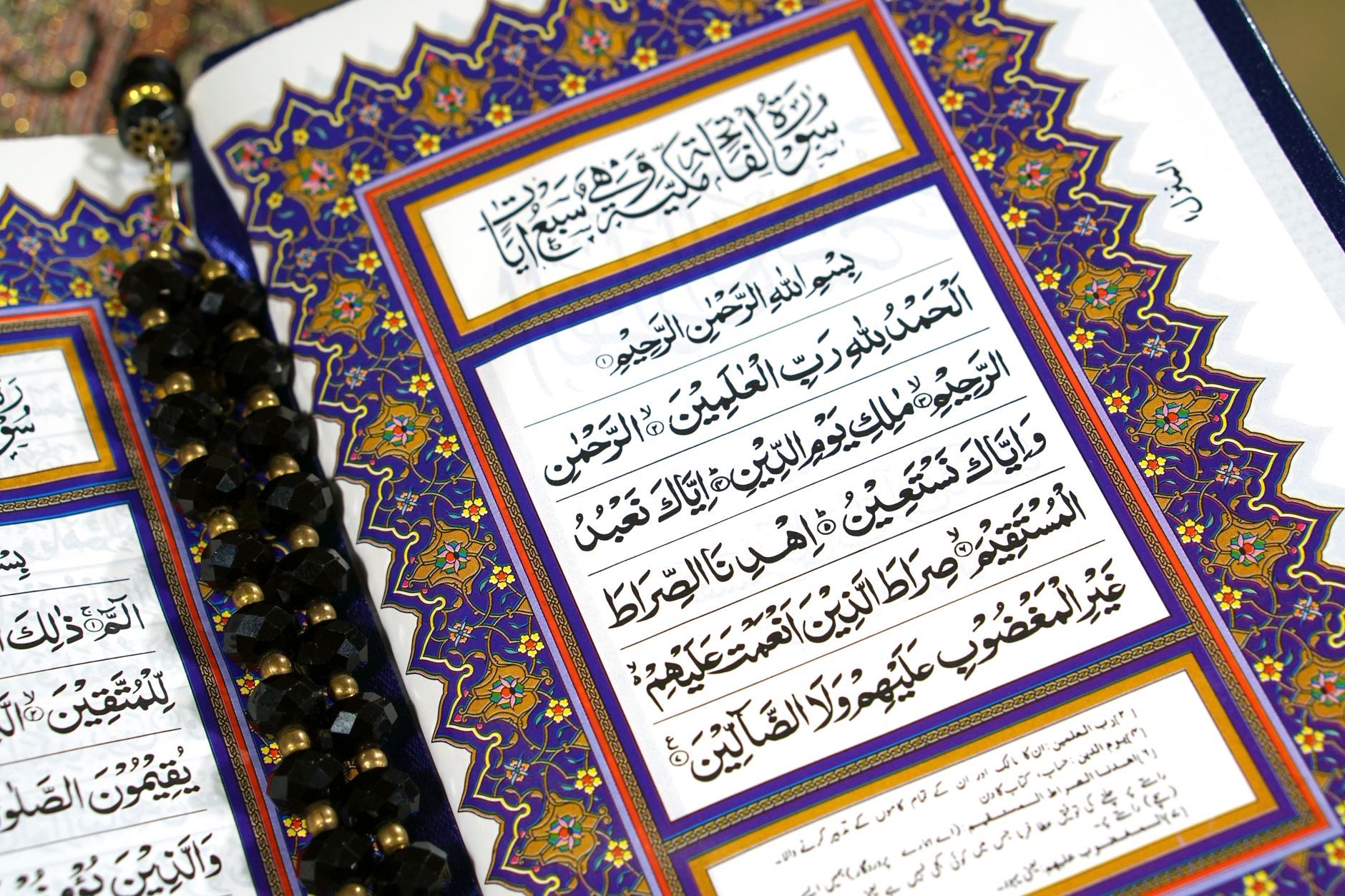
The verse that gives both titles
Both phrases appear together in a single verse addressed to the People of the Book. It is the natural place to begin, because the verse itself explains the titles.
The verse calls Jesus a messenger, God’s word conveyed to Mary, and a spirit from Him. In the same sentence it forbids excess in religion, forbids saying “three,” declares that God is one and is far above having a son, and states that everything in the heavens and the earth belongs to Him. A reading that takes the titles as evidence of divinity has to set aside the rest of the verse that contains them. The verse presents the titles and the denial of divinity together as one statement.
What “a word from Him” means
The phrase kalimah minhu (a word from Him) first appears in the annunciation to Mary.
Mary asks how she can have a child when no man has touched her, and the angel answers by explaining the mechanism of the word:
The word is God’s creative command, “Be.” Jesus is called a word from God because he came into being by that command alone, without a father. The Quran draws the comparison explicitly a few verses later:
Adam had neither father nor mother and came into being by the same command. If creation by divine command made someone divine, Adam would have the stronger claim. The Quran’s point runs the other way: the virgin birth shows God’s power to create as He wills, and it places Jesus alongside Adam as a creature brought into being by a word.
This differs from the Logos of John’s Gospel, where the Word is with God, is God, and becomes flesh. The Quran uses kalimah for a word God speaks, and in the Quran God speaks many words: the words of God cannot be exhausted though the sea were ink (18:109). Jesus is one such word, uniquely so in the manner of his creation. He is never the eternal speech of God itself.
What “a spirit from Him” means
The second title, rūḥun minhu (a spirit from Him), is read by Christian writers as a reference to the Holy Spirit or to a divine nature. The Arabic preposition min, “from,” indicates source and origin, and the Quran uses the same construction for things no one considers divine. It says of everything in the heavens and the earth that it is “all from Him”:
And it uses the language of God’s spirit for the creation of every human being, beginning with Adam:
A spirit “from God” is a spirit God created and sent. The phrase honours Jesus by attributing his life directly to God’s act, as Adam’s life was. It does not make him a part of God, any more than the heavens and the earth become divine by being “from Him.”

How Jesus describes himself in the Quran
The Quran also reports Jesus’s own words, and his first recorded speech, spoken as an infant in the cradle, is a statement of identity:
His self-description is servant and prophet. When the Quran later summarises his status, it adds a detail that answers the divinity claim with a plain physical fact:
The verse notes that Jesus and his mother both ate food. A being who needs to eat depends on what God created to sustain him. The Quran asks its readers to look at what dependence implies.
Honour without divinity
The Christian argument assumes that the most exalted titles must point to divinity, because a mere human being could not deserve them. The Quran works with a different assumption: God can honour a creature to the highest degree without the creature ceasing to be a creature. Abraham is the friend of God, Moses is the one to whom God spoke directly, Muhammad is the seal of the prophets, and Jesus is the word and spirit from God, the Messiah, born of a virgin and raised to Him. Each title marks a particular favour. None of them crosses the line between Creator and creation, which is the line the Quran guards above all others.
Christians and Muslims therefore agree on more about Jesus than either side often admits: his virgin birth, his miracles, his status as Messiah, his return. They disagree about what those facts mean. The Quran’s titles cannot settle that disagreement in favour of divinity, because the verses that give the titles are the same verses that deny it. A reader who wants to argue for the Trinity must make the case from other sources. The Quran will not supply it.