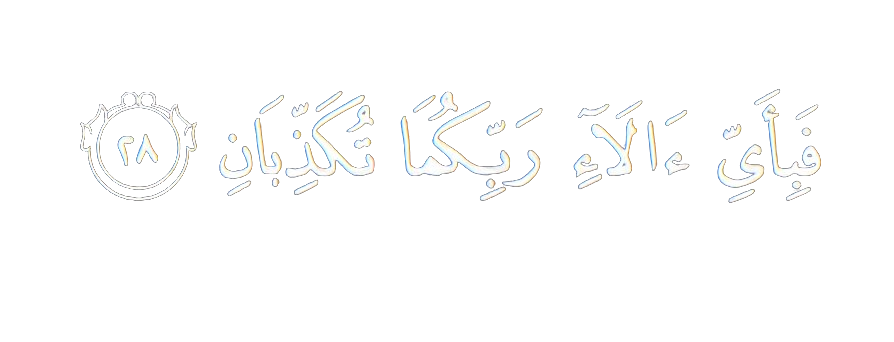
Ramadan comes. You fast. Not because you believe, but because your family expects it, or because the atmosphere of the month is genuinely something you value, or because the alternative — explaining yourself — costs more than the fast does. You say hamdullah after eating. You say inshallah when making plans. The language is so deeply embedded that removing it would require a kind of self-surgery you are not sure you want to perform.
Researchers who study people who have left Islam find this pattern consistently. Most people who leave do not leave completely. They retain practices, language, and participation in religious community — sometimes by choice, sometimes by necessity, sometimes without being entirely sure which is which.
What the practice actually does
The interesting question is not whether practice without belief is hypocritical. It is what the practice actually produces in the person performing it.
Fasting, even without religious intention, does something. It removes the continuous low-level preoccupation with food, comfort, and immediate satisfaction that fills ordinary life. It creates a different relationship to hunger — not its elimination, but its transformation into something borne deliberately. The person who fasts without believing and the person who fasts with deep conviction may experience something more similar than either would expect.
Prayer, even when the words feel empty, interrupts. Five times a day it requires a pause from whatever is consuming attention, a physical reorientation, a moment of something other than the ordinary. People who have left belief and still pray occasionally — as several respondents in research on post-Muslim identity report doing — describe it as useful. Not theologically justified. Useful.
The tradition’s understanding of this
Classical Islamic thought on this is more sophisticated than the popular version. The tradition distinguishes between outer acts and inner states but does not require their perfect alignment at every moment. The concept of waswas — doubting thoughts that intrude during prayer — is addressed extensively in the tradition, with the conclusion that the person who continues to pray despite doubts is not a hypocrite. They are a person whose outer practice is in advance of their inner certainty.
The tradition also recognises that practice can precede and produce belief, not only follow from it. The person who continues to fast, pray, or engage with the Quran during a period of doubt is not performing dishonestly. They are maintaining a connection to something they are not yet sure about — which is a more intellectually honest posture than performing certainty they do not have in either direction.
What persists and why it matters
The things that persist after belief fades — the language, the fasting, the community participation, the aesthetic appreciation of the call to prayer — are not persisting by accident. They are persisting because they carry genuine goods: community, rhythm, a frame for the year, a language for the deepest experiences. These goods are real. Their persistence is evidence of what the tradition actually contains, beneath the institutional and doctrinal overlay.
The person who can no longer believe but cannot fully leave is not in a position of incoherence. They are in a position of honest uncertainty, maintaining their connections to genuine goods while working out what they actually think. That posture is worth honouring rather than forcing toward a premature resolution in either direction.